“Working at Hestercombe for 17 years has been one of the greatest privileges of my career.”
What a place, and what a journey it took me on!
The joy of working over 3 eras of garden design, Georgian, Victorian, and Edwardian, was never lost on me. I loved to step into the shoes of the creative souls that had built these three very unique gardens, and to walk through their minds, their landscapes and their plants. To work in a historic garden is to really FEEL a garden. To feel the age of it, the relevance of it, and to feel its spirit and to be able to tell its stories and secrets. You build a relationship with the garden, much like you do with loved ones. It takes time to really get to know it. You learn from the ground up by asking simple questions - what is the soil like and how was it formed, how did that tree get there, what was here before all of this, who lived here, who worked this land?
All of these are important background stories to getting to know your garden. From there I have studied maps and plans, researched garden trends through history, studied garden design, designers, plants and people to gain a more rounded understanding. Once you have formed your relationship it doesn’t however remain static. Things change. The function of the space, the ethos of the owners or CEO, the climate shifts, plants and planting evolve and respond to the change with your human hand guiding it along. I never felt like the head gardener role was a position of power or ego, more like a guardianship, a loose touch. In a prestigious garden that is trying hard to be many things to many people, my role was to advocate for the garden, to put the garden first. This is easy to do because you are already in love with it. You want to protect it but you also want it to have the freedom to grow. It’s a balance.
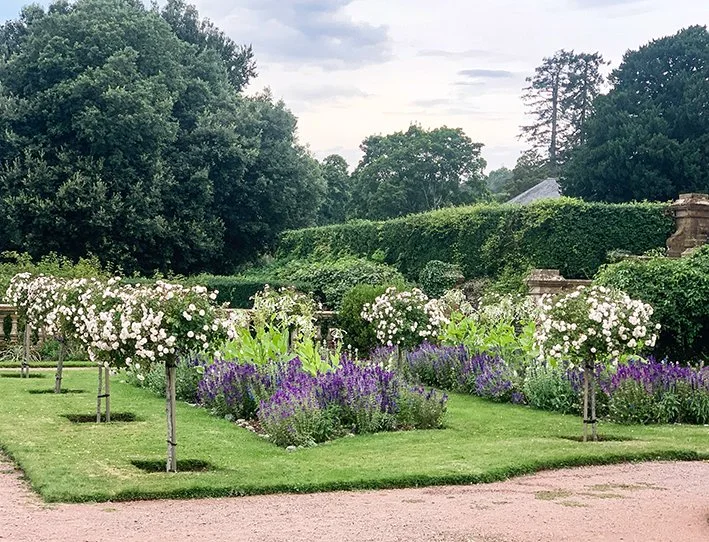
To me 90% of gardening is observation. Just watching as you work. Allowing nature to help you make some decisions. The biggest lesson that I learnt in 17 years of gardening at Hestercombe was to have less control. This was made really clear to me during Covid when 120 acres had to be tended by two gardeners. We had to let go. We had a duty of care to the important historic areas, but where we could loosen the grip, we did. And it was like a Disney movie. There were stoats playing in the Great Plat, deer walking along the pergola, goldfinches nesting in standard roses. The more we let go, the more the garden seemed to come alive. The garden taught me a lesson and changed how I would manage spaces forever. Meanwhile, in a time of human crisis, the garden held me. It kept me buoyant, gave me a purpose, and bloomed its socks off. The flowers sustained me.
Hestercombe is a stunning garden to visit.
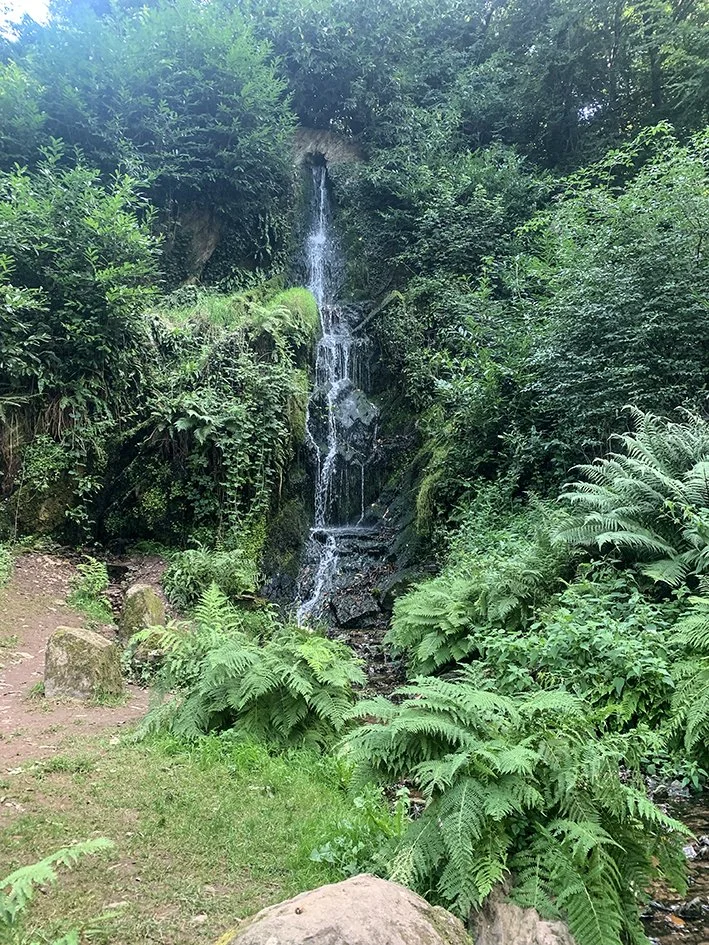
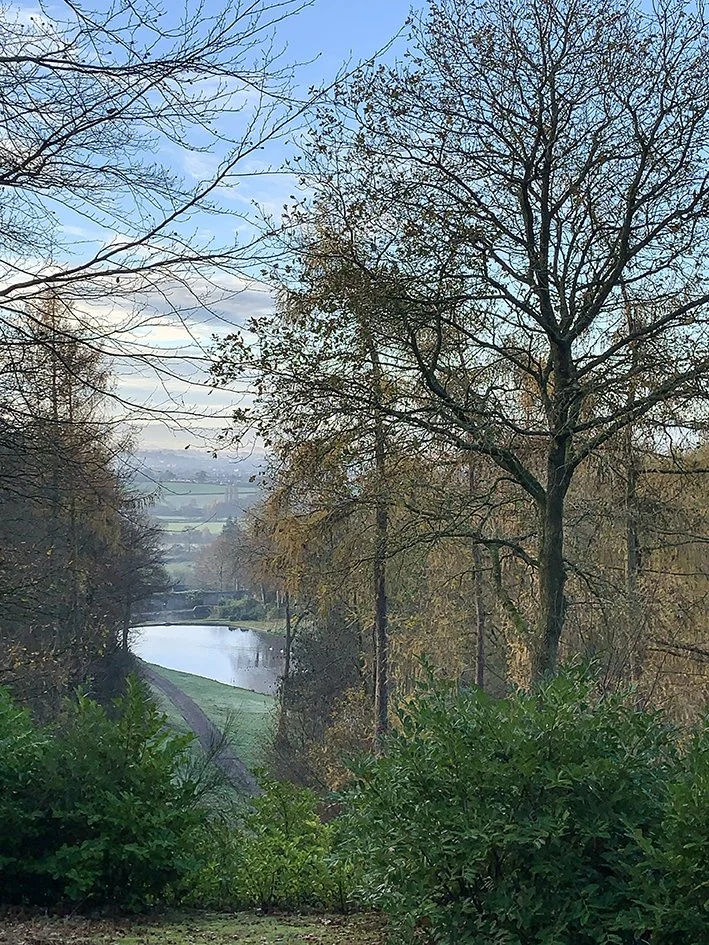
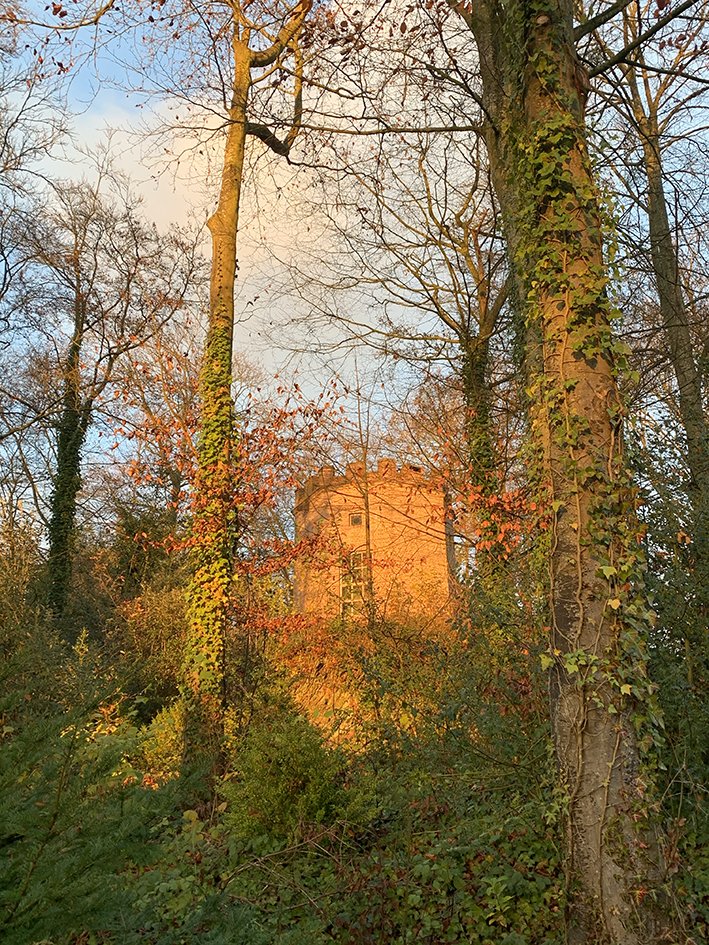
Theatrical Georgian landscape gardens carrying huge intellect, symbolism and artistry. Framed views across a landscape, creating living paintings. Made by man to impress man, the gardens would have been used to entertain, for feasts, music and theatre. A show for guests.
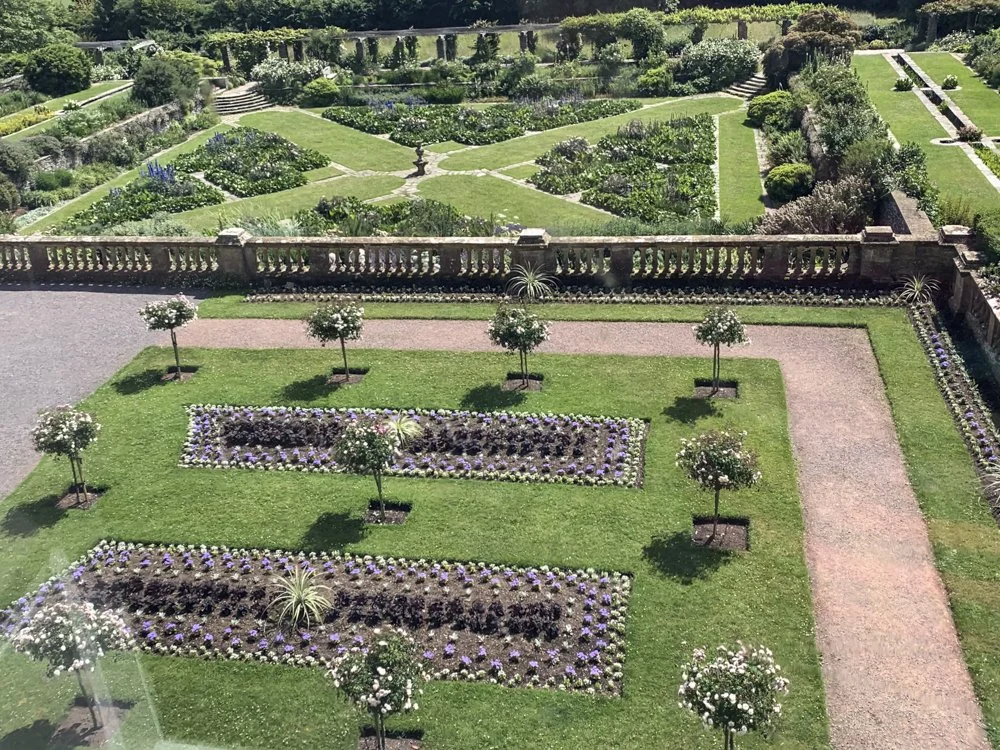
The Victorian terrace is a masterclass in carpet bedding styles and providing all year round colour. Challenging to manage with an eye on sustainability but important to show as a historical example.
Juxtaposed to this is the Victorian shrubbery whose design is based on plantsman William Robinson who despised bedding schemes and liked to garden in a more naturalistic way. This woodland garden follows his ethics and uses plants that he wrote about.
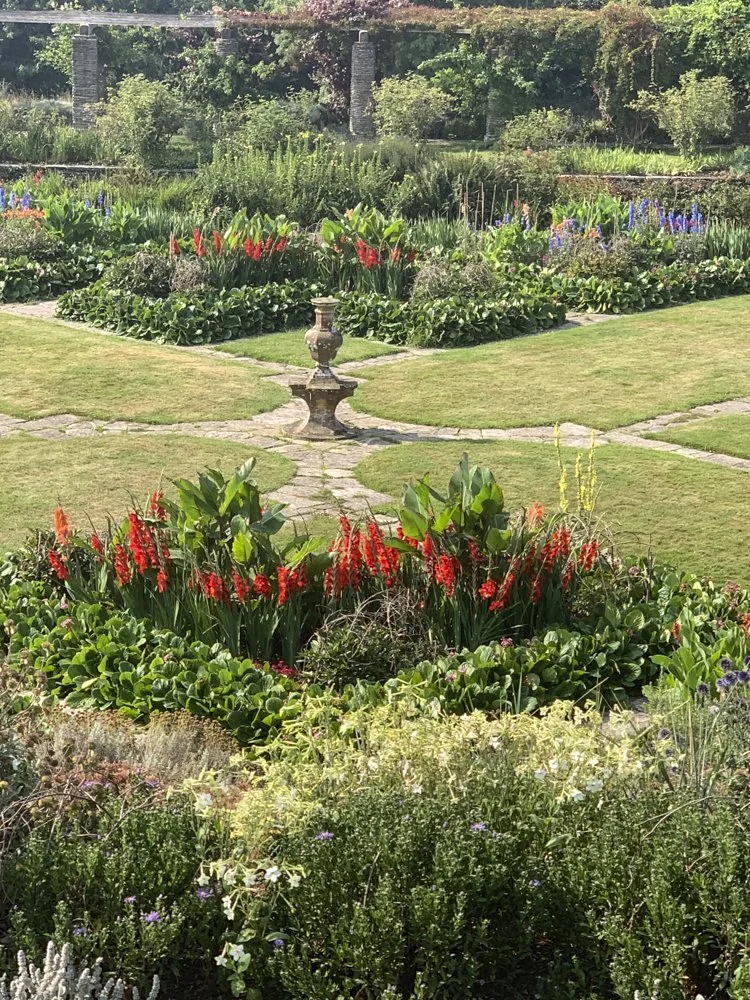
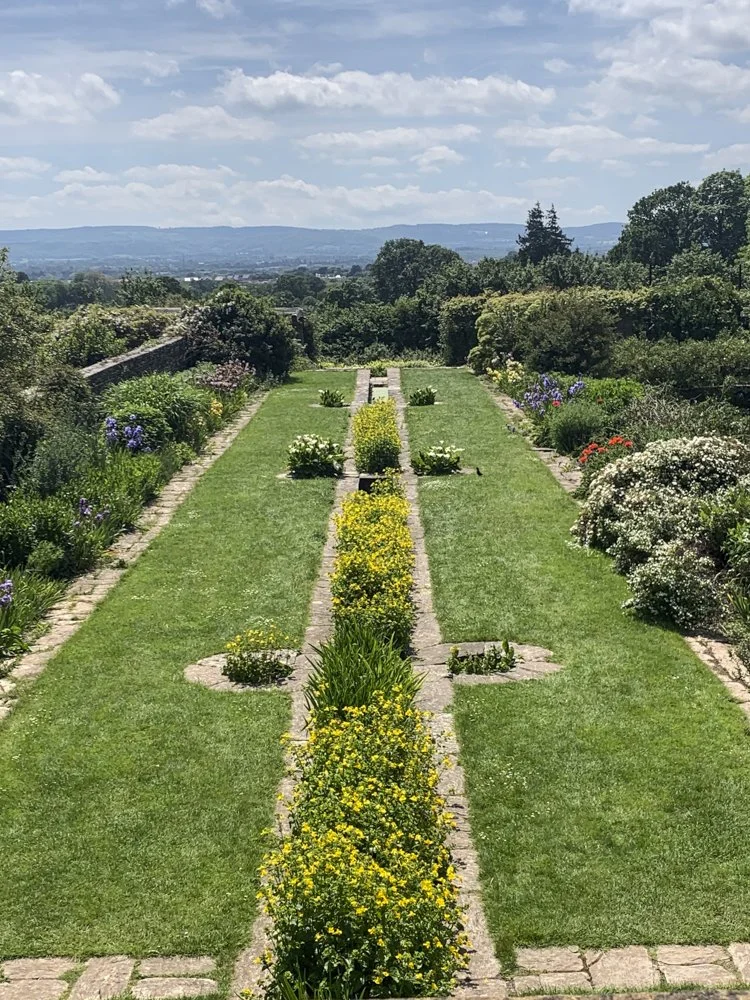
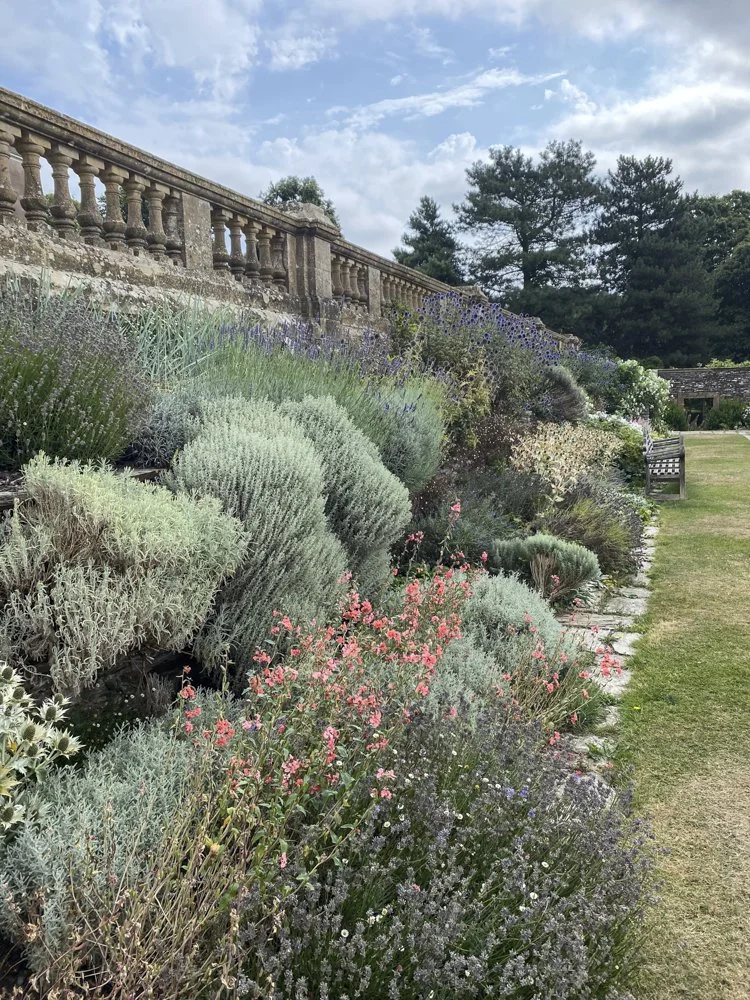
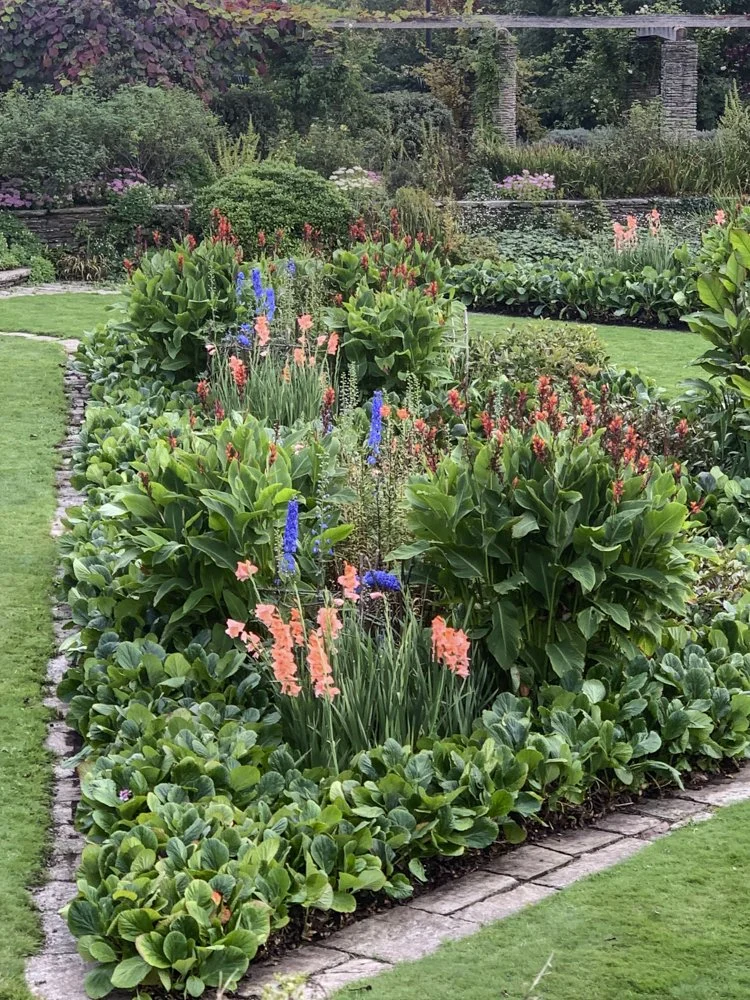
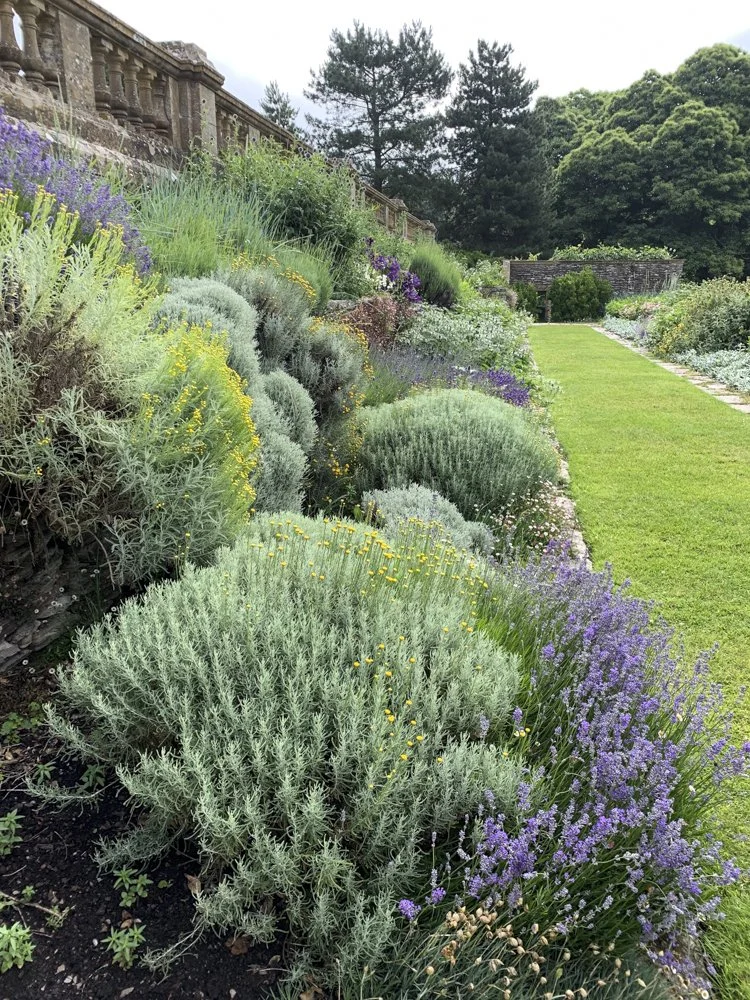
And to me the icing on this already delicious cake is the Edwardian garden. Probably the best living example of a collaboration between the architect Edwin Lutyens and the plantswoman Gertrude Jekyll. Lutyens lays out his very geometric and studied hard landscaping and Jekyll softens it by throwing a blanket of flowers over the whole thing. The overall effect is a very formal, stately garden but with warmth and a soft rosy glow. The beautiful balance between chaos and control.
I could talk about it all day- but you will have to go to my TALKS PAGE and get in touch if you want me to do that!